
Launch Plan for Dynasty Karakul: Building a Strong Brand Strategy
Launching a startup is an exciting, challenging journey. Dynasty Karakul aims to bring traditional hats and caps to a wider audience, blending heritage with contemporary style. To ensure a clear and compelling brand, here are foundational branding considerations and strategies to guide the rollout.
1) Define the Brand Identity
– Purpose: What problem does Dynasty Karakul solve for customers? For example, offering authentic headwear that honors cultural craftsmanship while delivering modern usability.
– Vision: Where do you see the brand in 5–10 years? A respected name in traditional headwear with expanded product lines and global reach.
– Values: Identify core beliefs (craftsmanship, authenticity, quality, sustainability, cultural respect, customer focus).
– Personality: Decide on a voice and tone (e.g., knowledgeable, refined, approachable, celebratory of culture).
2) Understand the Target Audience
– Demographics and psychographics: Age ranges, fashion preferences, cultural affiliations, and shopping behaviors.
– Needs and motivations: Why would customers buy traditional hats? Style versatility, heritage storytelling, durability, or a statement piece.
– Customer journey: Awareness, consideration, purchase, and post-purchase experiences.
3) Brand Positioning and Messaging
– Value proposition: What makes Dynasty Karakul unique? For example, “Authentic traditional headwear crafted with modern comfort and enduring quality.”
– Brand story: A concise narrative that connects heritage with contemporary design.
– Key messages: Core benefits, features, and differentiators to communicate consistently across channels.
– Tagline ideas: Short, memorable phrases that reflect the brand’s essence (optional, to be tested and refined).
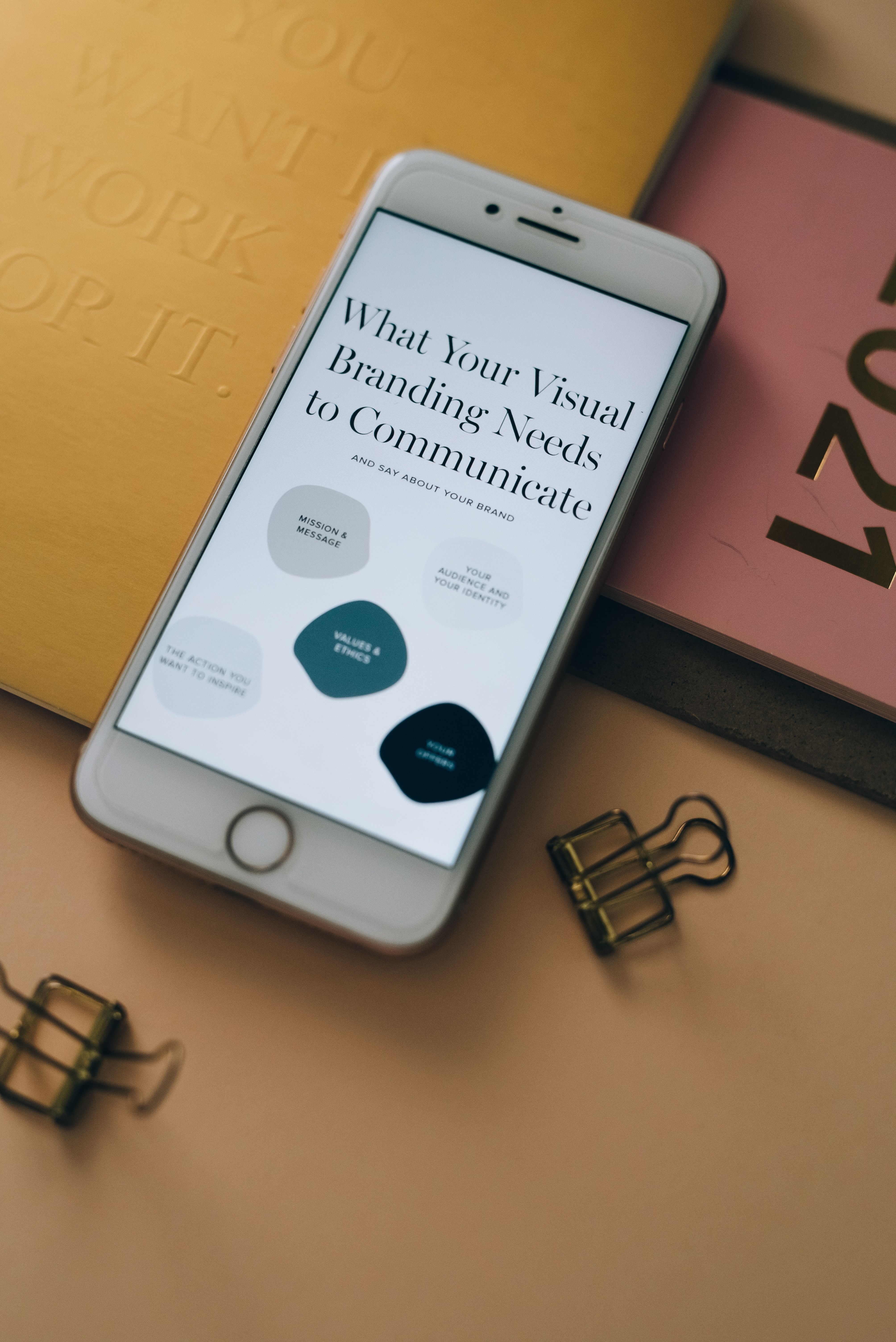
4) Visual Identity and Design
– Logo and mark: A symbol that evokes tradition and authenticity.
– Color palette: Choose colors that convey heritage, craftsmanship, and reliability. Consider cultural associations carefully.
– Typography: Readable, elegant typefaces that align with the brand’s voice.
– Imagery style: Photography and illustrations that showcase craftsmanship, materials, and wearability in real-life contexts.
– Brand guidelines: Document usage rules to maintain consistency across website, packaging, and marketing materials.
5) Product Strategy Alignment
– Product storytelling: Each hat or cap should carry a story—materials, origin, craftsmanship, or cultural significance.
– Packaging and unboxing: Create a memorable unboxing experience that reinforces brand values.
– Quality standards: Transparent quality benchmarks and potential certifications to build trust.
6) go-to-market and channel Strategy
– Online presence: A professional WordPress site with e-commerce capability (product pages, reviews, FAQs, sizing guides).
– Content strategy: Educational and storytelling content about traditional headwear, care instructions, cultural context, and styling tips.
– Social media plan: Platforms that align with the audience (e.g., Instagram for visuals, Pinterest for discovery, LinkedIn for brand legitimacy).
– Partnerships: Collaborations with cultural organizations, fashion influencers, or retailers that align with brand values.
– Launch plan: A phased approach with pre-launch teasers, launch announcements, and post-launch engagement.
7) Customer Experience and Loyalty
– Shopping journey optimization: Fast loading pages, clear product information, easy checkout, and reliable support.
– Aftercare: Care guides, warranty or guarantees, and easy returns.
– Community building: Encourage user-generated content and stories around heritage and craftsmanship.
8) Sustainability and Ethics (if applicable)
– Sourcing transparency: Share information about materials and suppliers.
– Ethical practices: Labor standards, fair trade considerations, and environmental impact reductions.
Next Steps for You
– Draft a concise brand brief: Purpose, audience, positioning, voice, and visual direction.
– Create a simple moodboard: Visuals, colors, and typography to guide design work.
– Develop a minimum viable brand package: Logo, color palette, typography, and a sample product page.
– Outline a 90-day content calendar: Educational posts, product stories, and launch-related content.
If you’d like, I can tailor this plan with more specifics. Share any details you have about your target audience, price point, distribution goals, and personal brand objectives, and I’ll refine the strategy accordingly.